


Lake Salt
Lake salt forms when the salts dissolved in naturally highly saline lakes and salt lake basins crystallize under suitable conditions. The lake’s water balance, mineral make-up and evaporation conditions can affect how the salt forms and the properties of the resulting product.
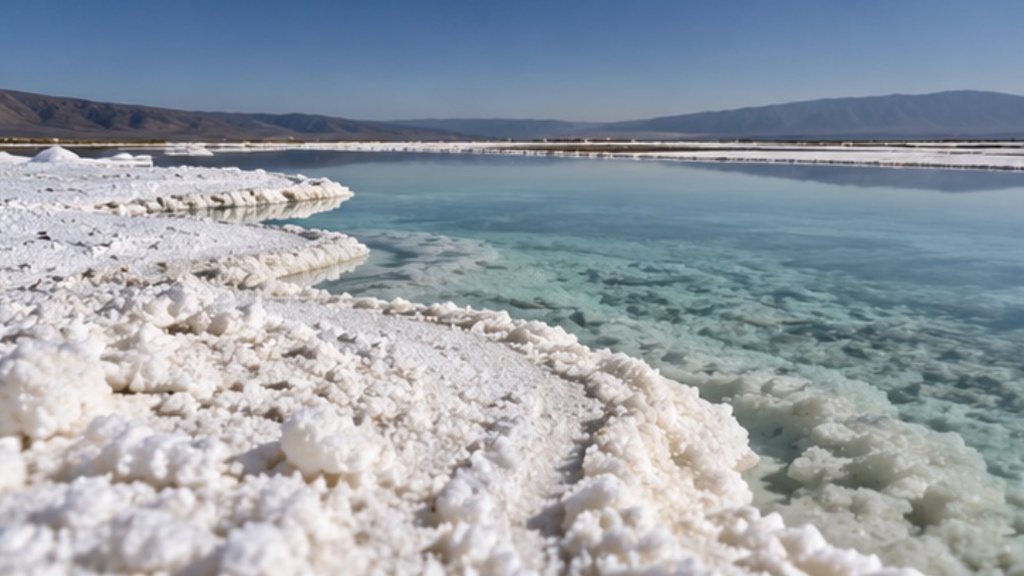
The dissolved minerals in salt lakes are linked to the water reaching the lake and to the geological features of the basin.
Especially in closed basins where natural outflow is limited, evaporation can raise the concentration of dissolved salts. When suitable conditions arise, sodium chloride and certain other salts can crystallize.
The composition of lake salt can differ according to the features of its basin and the mineral content of the water. For this reason it cannot be said that every lake salt has the same chemical properties or degree of purity.
In some salt lakes the water can look pink or reddish. This may be linked to the pigments of algae and microorganisms adapted to high salinity. However, the color of the lake water can change with the season, salinity and environmental conditions.
Whether a product suits its intended use is not decided only by the lake it comes from or by its appearance. Sodium chloride content, moisture, insoluble matter, grain distribution and other technical properties are assessed together.
How Does Lake Salt Form?
Salt formation in salt lakes follows a seasonal cycle. In wet periods the lake level rises and part of the salt along the shore can dissolve again; in dry summer months, as the water recedes, a salt crust forms in shallow areas and along the shores.
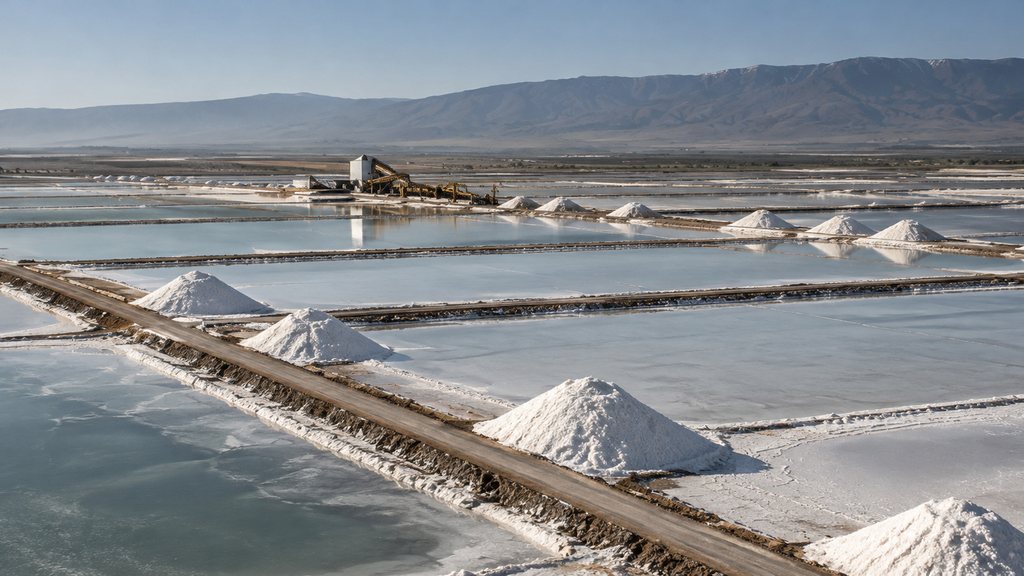
The salt is usually obtained by harvesting this crust or by letting lake water into ponds on the shore and evaporating it. It can then be processed according to its intended use.
Characteristics of Salt Lakes
Salt lakes are usually shallow and cover a wide surface area. Their water level changes from season to season with rainfall and evaporation, and their salinity can rise far above that of seawater.
Lake Tuz (Tuz Gölü) in Türkiye is a well-known example of this type of lake.
Mineral Make-Up of Lake Salt
The main component of lake salt is also sodium chloride. In some lakes, sulfate, magnesium and calcium salts can also be present in notable amounts.
The share of these components can also change within the same lake depending on the season and the harvesting point. For this reason, the analysis values of the specific product should be used rather than a general mineral table for lake salt.
Differences Between Lake Salt and Sea Salt
Both salts form through evaporation. The main difference is the source of the water: sea salt is obtained from seawater in salt pans, while lake salt comes from salt that builds up naturally in salt lakes within closed basins.
The composition of seawater is fairly similar across different parts of the world, whereas the composition of lake salt can vary much more from one lake to another.
Uses of Lake Salt
- Food industryLake salt processed in line with food regulations can be used in food production.
- Winter maintenanceCoarse salt can be used against ice on roads and open areas.
- Industrial applicationsIt can be chosen for chemicals, textiles, leather and similar sectors according to the values the process requires.
- LivestockSalt meeting the relevant requirements is used in feed and in lick blocks.
Application and Product Selection
Where a salt comes from does not decide on its own which product is right. Grain size, moisture, purity values, packaging and delivery method all need to be considered together for your application. We select the product with you based on your application and share the product’s technical information on request.
Related Product Groups
You can review Güler Tuz products, their applications and packaging options on the pages below.
Frequently asked questions
Is lake salt used in its natural state?
Depending on its intended use, it can be washed, dried, screened or refined. Which processing is needed is decided by the technical requirements of the application.
What is the difference between lake salt and rock salt?
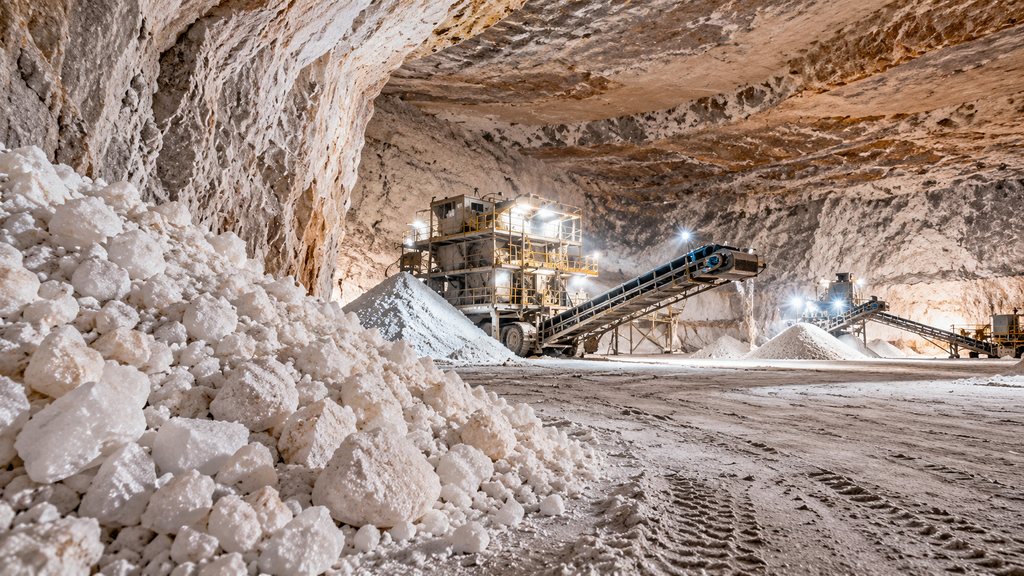
Lake salt forms through evaporation in present-day salt lakes. Rock salt is the salt of seas and lakes that dried up long ago, preserved underground in layers, and it is extracted by mining.
Does the color of lake salt indicate its quality?
Color alone is not an indicator of quality or purity. Whether a product suits an application is assessed using its analysis values.
Let’s Find the Right Salt for Your Application
Tell us about your application, the quantity you need and your preferred packaging. We will review suitable product and delivery options with you.